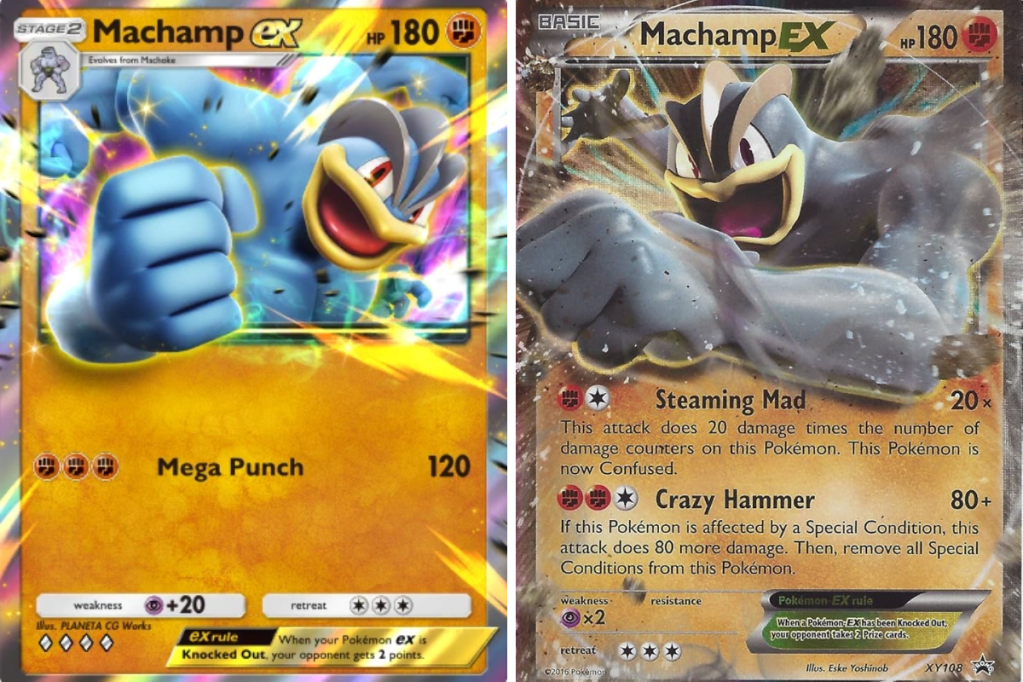
The new mobile game “Pokémon TCG Pocket” recently dropped, offering fans of both collecting and battling an opportunity to play the popular card game on the go. However, players quickly discovered that “TCG Pocket” is not quite a one-to-one simulator of the official TCG played in card shops across the globe and functions like Pokémon’s answer to Yu-Gi-Oh’s “Duel Links.”
With that in mind, here are a few differences between “Pokémon TCG Pocket” and the official Pokémon TCG.
5 Differences Between ‘Pokémon TCG Pocket’ and the Pokémon TCG
Deck Sizes
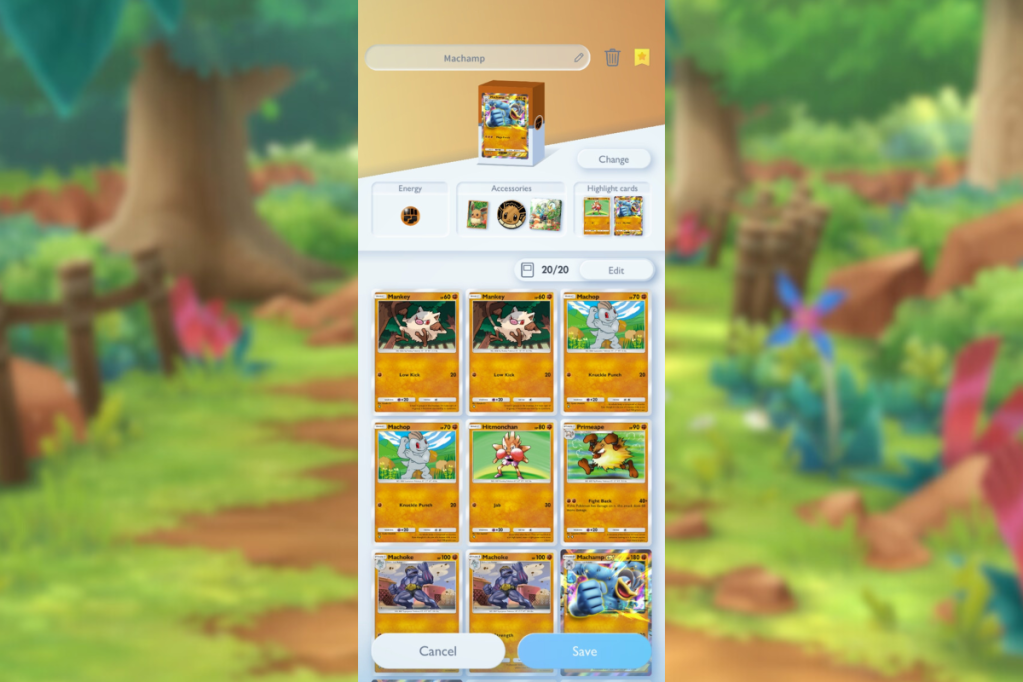
Right off the bat, you’ll realize that decks are much smaller in “TCG Pocket” compared to the TCG. Standard Pokémon TCG decks are always 60 cards, while “TCG Pocket” decks are only 20 cards — no more, no less in both cases.
This makes deckbuilding simultaneously easier and more challenging for players. While you have fewer slots to worry about filling with cards, you may not be able to fit in everything you need to respond to every situation in which you may find yourself.
Benches
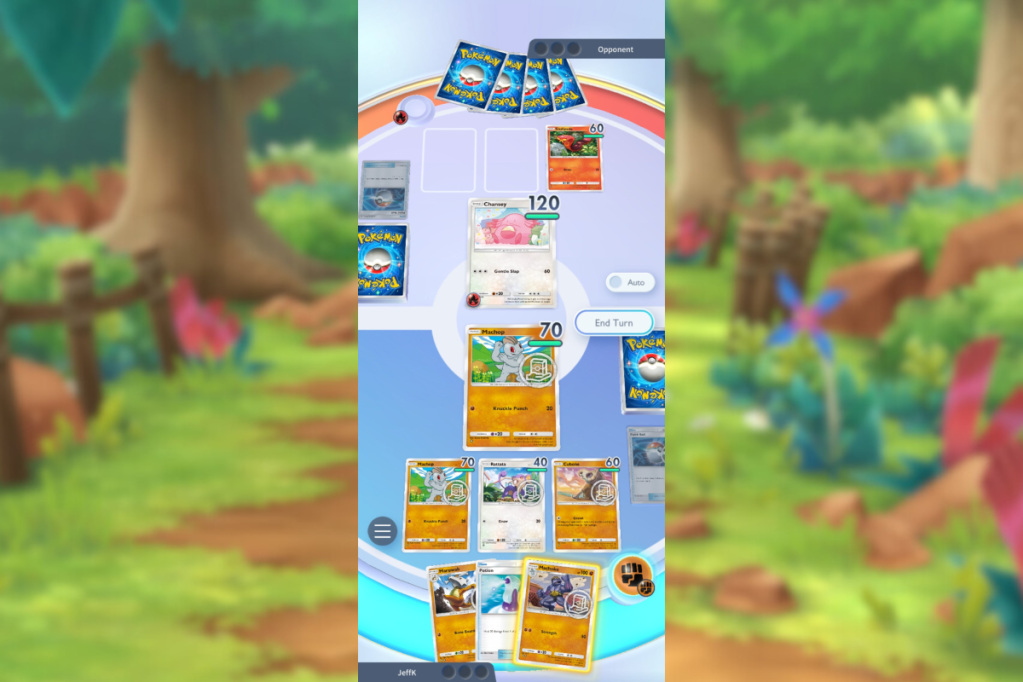
Benches are smaller in “Pokémon TCG Pocket,” only allowing players three Benched Pokémon. In the traditional Pokémon TCG, players are allowed five Bench slots.
Energy
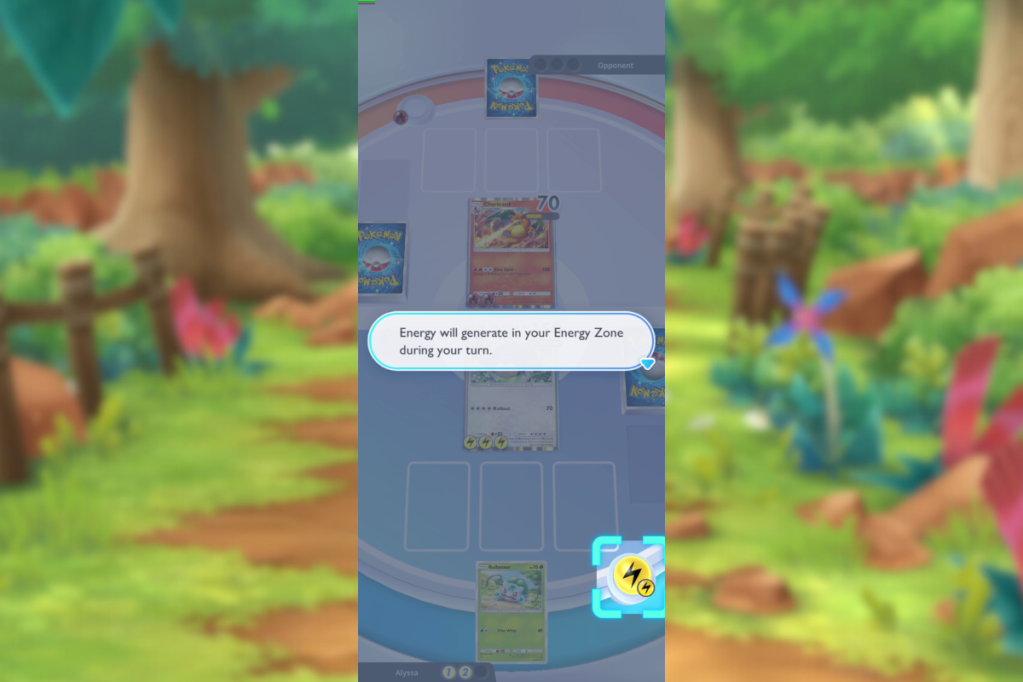
The main resource in the Pokémon TCG is energy. Energy is required to use attacks. Once per turn, you may attach an energy card to one of your Pokémon . The rules about attaching energy remains the same across both versions but how you get energy is different.
In the Pokémon TCG, energy cards are included in your deck. This means that, depending on your deck construction and luck, you may or may not have the energy you need available to you. Of course, the TCG has more ways than “TCG Pocket” has to acquire energy, such as Item Cards, Supporter Cards, and Abilities. But without those, you’re reliant on your deckbuilding skills to draw energy at the right time.
In “Pokémon TCG Pocket,” players each have Energy Zones, where, once per turn, an energy is generated that you can place onto a Pokémon. This means you’ll never have to worry about drawing or finding energy — it’s always there waiting for you. You can set the type of energy your Energy Zone generates when building your deck.
Points vs. Prize Cards
Rewards for Knocking Out Pokémon differ in both versions as well. In Pokémon TCG, you can choose from your selection of six Prize cards, cards taken from your deck and placed into a different section of the game board. Depending on the active Pokémon you Knock Out, you can draw one or two Prize cards. Once you draw all six Prize cards, you win the game.
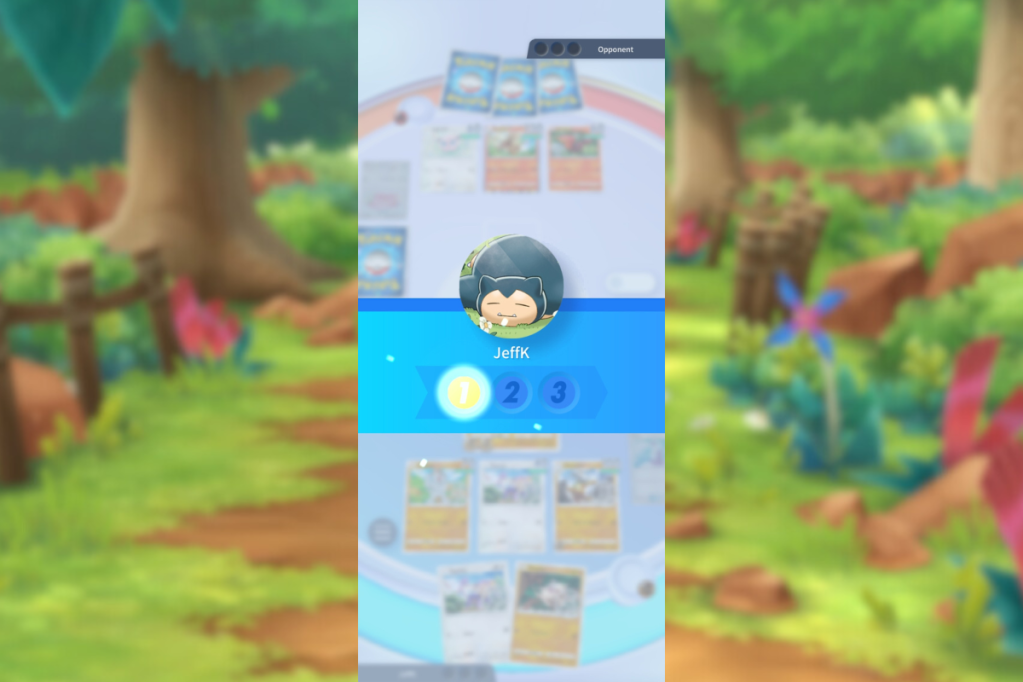
In “Pokémon TCG Pocket,” players instead get Points when Knocking Out their opponent’s active Pokémon. If they Knock Out a Pokémon EX, they get two points, while a non-EX Pokémon rewards one point. The first player to three points wins.
‘Power Level’

Lastly, it’s clear that the “power level” of decks is greatly decreased in “Pokémon TCG Pocket” compared to the traditional TCG. Abilities are far less abundant on Pokémon you would expect to have them, like Stage 2 evolutions, and attacks are simpler compared to those found on their TCG counterparts.
While it’s natural that a new game aimed at a casual audience would feature less complex mechanics compared to a 25-year-old trading card games, it’s something to keep in mind for established TCG players coming over to “TCG Pocket.”





 GameOni
Leave a comment